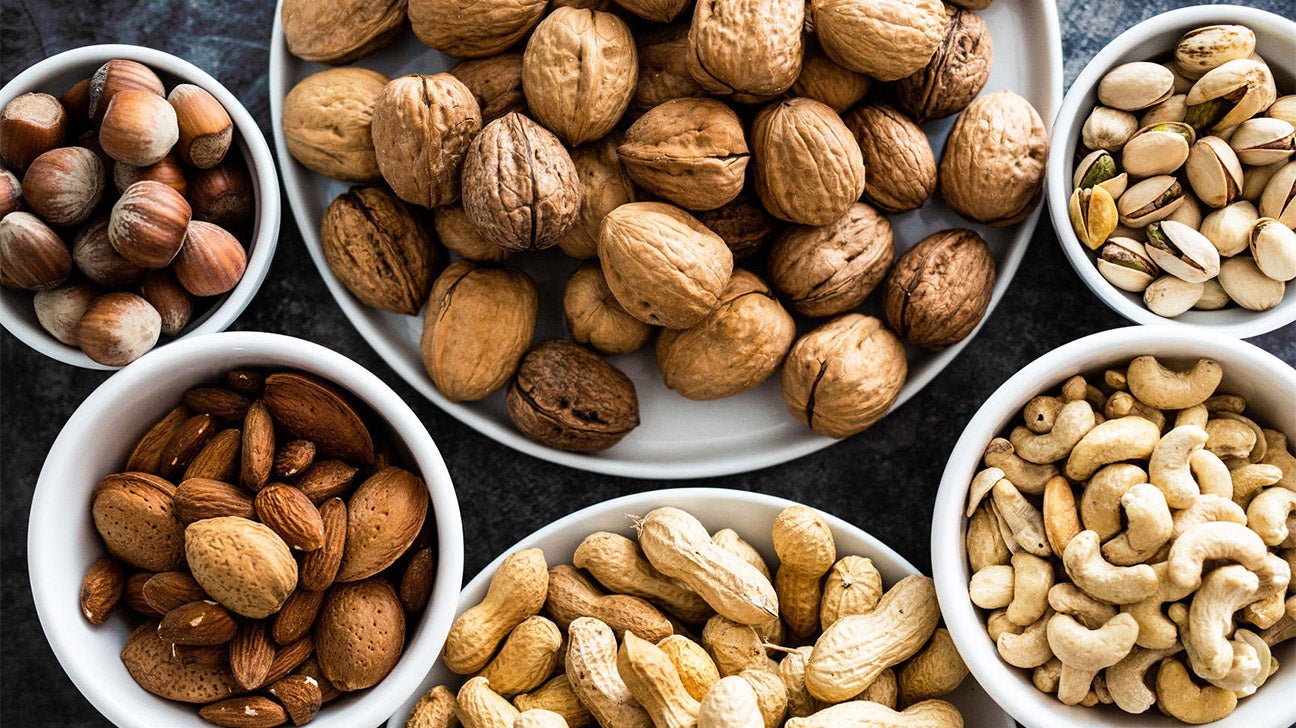
 The essential minerals play a crucial role in maintaining optimal health and well-being. These minerals are indispensable for various physiological processes, including bone health, nerve function, and enzyme activity. A balanced diet rich in these key nutrients ensures that our bodies function efficiently and remain resilient against diseases.
Calcium: Building Strong Bones and Teeth
Calcium is paramount for the development and maintenance of robust bones and teeth. It also plays a vital role in muscle contraction, nerve transmission, and blood clotting. Inadequate calcium intake can lead to osteoporosis, a condition characterized by brittle bones. Dairy products, leafy green vegetables, and fortified plant-based milks are excellent sources of calcium.
Magnesium: Supporting Muscle and Nerve Function
Magnesium is a multifunctional mineral essential for over 300 biochemical reactions in the body. It aids in muscle and nerve function, regulates blood sugar levels, and supports a healthy immune system. Moreover, magnesium is involved in energy production and protein synthesis. Nuts, seeds, whole grains, and green leafy vegetables are rich in magnesium.
Iron: Vital for Oxygen Transport
Iron is a critical component of hemoglobin, the protein in red blood cells that transports oxygen from the lungs to the rest of the body. Adequate iron levels are necessary to prevent anemia, which can cause fatigue and weakness. Heme iron, found in animal products like meat and poultry, is more readily absorbed than non-heme iron from plant sources such as beans, lentils, and spinach.
Zinc: Boosting Immune Health
Zinc is indispensable for a well-functioning immune system. It is involved in cell division, DNA synthesis, and protein production. Zinc also supports wound healing and is critical for normal growth and development during pregnancy, childhood, and adolescence. Shellfish, meat, dairy products, and legumes are rich sources of zinc.
Potassium: Regulating Fluid Balance
Potassium is an electrolyte that helps regulate fluid balance, muscle contractions, and nerve signals. It is essential for maintaining healthy blood pressure levels and can counteract the adverse effects of sodium. Potassium-rich foods include bananas, oranges, potatoes, and spinach. Adequate intake of potassium is crucial for cardiovascular health.
Selenium: Powerful Antioxidant
Selenium is a trace mineral with potent antioxidant properties. It helps protect cells from oxidative damage and supports thyroid function. Selenium is also essential for DNA synthesis and reproductive health. Brazil nuts, seafood, and organ meats are particularly high in selenium, making them excellent additions to a nutrient-rich diet.
Phosphorus: Energy Production and Bone Health
Phosphorus is a key player in energy production and bone health. It forms part of the phosphate backbone of DNA and RNA, essential for cell growth and repair. Additionally, phosphorus is involved in the formation of ATP, the primary energy carrier in cells. Dairy products, meat, fish, and whole grains are good sources of phosphorus.
Iodine: Thyroid Function and Metabolism
Iodine is critical for the synthesis of thyroid hormones, which regulate metabolism, growth, and development. Iodine deficiency can lead to thyroid gland enlargement (goiter) and hypothyroidism. Seaweed, fish, dairy, and iodized salt are primary dietary sources of iodine, ensuring adequate intake is vital for metabolic health.
Manganese: Bone Formation and Metabolism
Manganese is essential for bone formation, blood clotting, and reducing inflammation. It is also involved in carbohydrate and fat metabolism, playing a crucial role in energy production. Whole grains, nuts, leafy vegetables, and tea are excellent sources of manganese, contributing to overall nutritional balance.
Copper: Red Blood Cell Formation
Copper is necessary for the formation of red blood cells and maintaining healthy blood vessels, nerves, immune function, and bones. It also aids in iron absorption and the production of energy. Foods rich in copper include shellfish, nuts, seeds, whole grains, and dark chocolate. Copper’s role in iron metabolism underscores its importance in preventing anemia.
Chromium: Blood Sugar Control
Chromium enhances the action of insulin, a hormone critical for the metabolism and storage of carbohydrates, fats, and proteins. Adequate chromium intake helps maintain normal blood glucose levels. Whole grains, meats, vegetables, and fruits provide chromium, supporting metabolic health and reducing the risk of diabetes.
Fluoride: Dental Health
Fluoride is well-known for its role in maintaining dental health. It helps prevent tooth decay by making the enamel more resistant to acid attacks from plaque bacteria and sugars in the mouth. Fluoridated water, tea, and seafood are good sources of fluoride, contributing to strong and healthy teeth.
Conclusion
The essential minerals are fundamental for sustaining life and promoting health. Each mineral plays a unique role, from supporting bone density and muscle function to aiding in metabolic processes and immune defense. A varied diet rich in whole foods is the best way to ensure adequate intake of these critical nutrients. By understanding the significance of these minerals and incorporating them into daily nutrition, one can achieve optimal health and vitality.