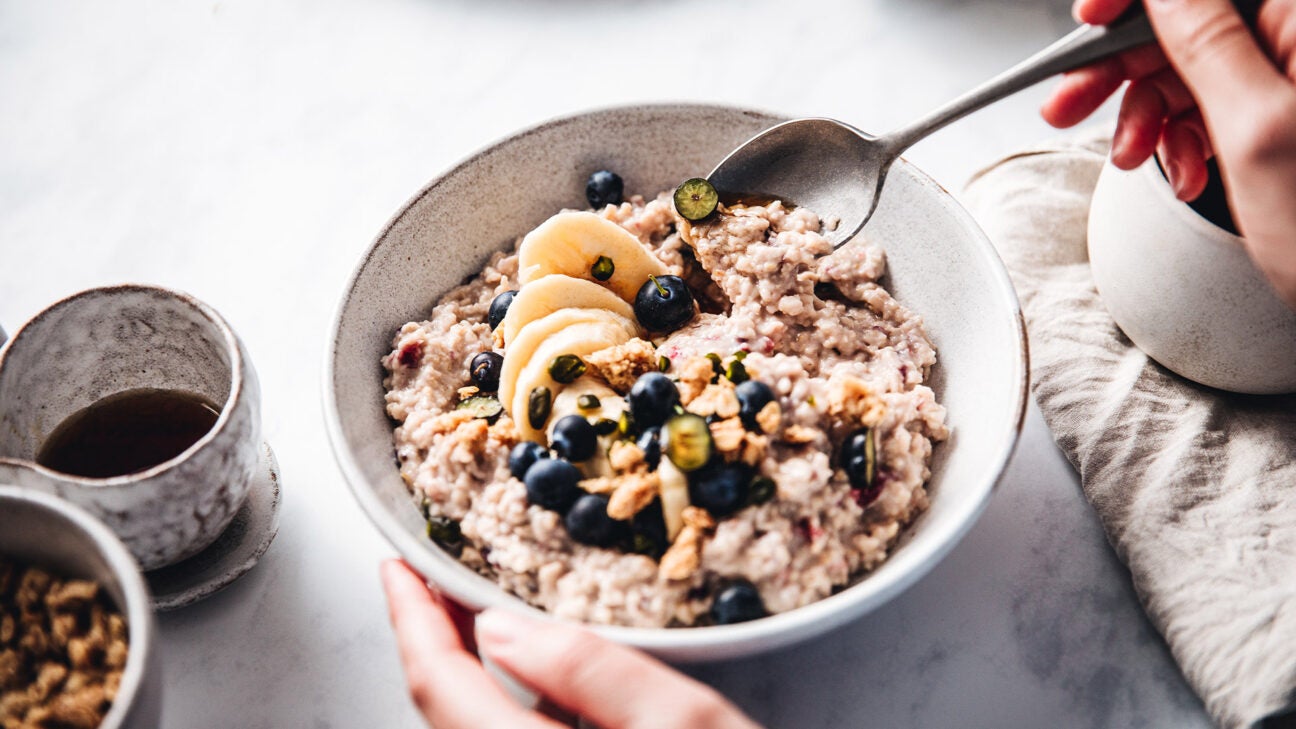
 Embarking on a journey towards healthy weight loss requires a balanced approach that promotes long-term success and overall well-being. Achieving and maintaining a healthy weight is not merely about shedding pounds quickly, but about adopting sustainable lifestyle changes that support both physical and mental health. By integrating the right strategies, one can achieve their weight loss goals while enhancing their quality of life.
Prioritize Nutrient-Dense Foods
Focus on consuming nutrient-dense foods that provide essential vitamins, minerals, and other nutrients while being relatively low in calories. Incorporate a variety of fruits, vegetables, whole grains, lean proteins, and healthy fats into your diet. These foods not only support weight loss but also promote overall health by providing the necessary nutrients for the body’s optimal functioning.
Stay Hydrated
Hydration plays a crucial role in the body’s metabolism and overall function. Drinking sufficient water throughout the day can help control hunger, improve digestion, and enhance the body’s ability to burn calories. Aim for at least eight glasses of water daily, and consider starting each meal with a glass of water to help control portion sizes.
Engage in Regular Physical Activity
Incorporating regular physical activity into your routine is essential for effective weight loss. Aim for a combination of aerobic exercises, such as walking, running, or cycling, and strength training exercises to build muscle mass. Increased muscle mass boosts metabolism, enabling the body to burn more calories even at rest. Find activities you enjoy to make exercise a sustainable and enjoyable part of your lifestyle.
Monitor Portion Sizes
Being mindful of portion sizes can significantly impact your weight loss efforts. Eating smaller, more frequent meals can help regulate blood sugar levels and prevent overeating. Use smaller plates and bowls to help control portions, and pay attention to hunger and fullness cues to avoid consuming excess calories. This practice helps maintain a balanced intake without feeling deprived.
Limit Processed Foods
Processed foods are often high in added sugars, unhealthy fats, and calories, while being low in essential nutrients. Reducing your intake of processed foods can aid in weight loss and improve overall health. Opt for whole, unprocessed foods whenever possible, and prepare meals at home to have better control over the ingredients and portion sizes.
Get Adequate Sleep
Sleep is a critical component of a healthy weight loss plan. Lack of sleep can disrupt hormones that regulate hunger and appetite, leading to increased cravings and overeating. Aim for 7-9 hours of quality sleep per night to support your weight loss efforts and overall health. Establish a consistent sleep schedule and create a restful sleep environment to improve sleep quality.
Manage Stress
Chronic stress can negatively impact weight loss by triggering emotional eating and disrupting metabolic processes. Implement stress management techniques such as mindfulness, meditation, deep breathing exercises, or engaging in hobbies you enjoy. By reducing stress, you can improve your mental well-being and support your weight loss goals.
Keep a Food Journal
Maintaining a food journal can help you become more aware of your eating habits and identify patterns that may hinder your weight loss efforts. Record what you eat, when you eat, and how you feel during meals. This practice can help you make more informed choices and stay accountable to your weight loss plan.
Seek Professional Guidance
Consulting with a healthcare provider, nutritionist, or dietitian can provide personalized guidance tailored to your unique needs and goals. These professionals can help you develop a balanced eating plan, suggest appropriate exercises, and offer support throughout your weight loss journey. Professional guidance ensures that your approach to weight loss is safe, effective, and sustainable.
Stay Consistent and Patient
Consistency and patience are key factors in achieving healthy weight loss. Understand that weight loss is a gradual process, and quick fixes or fad diets are often unsustainable and potentially harmful. Focus on making lasting lifestyle changes, celebrate small victories along the way, and remain committed to your goals even when progress seems slow. Long-term success is built on steady, consistent efforts.
Build a Support System
Having a support system can significantly enhance your weight loss efforts. Surround yourself with family, friends, or support groups who encourage and motivate you. Sharing your goals and challenges with others can provide accountability and emotional support, making the journey towards healthy weight loss more enjoyable and less daunting.
Mindful Eating Practices
Practicing mindful eating involves paying full attention to the experience of eating and enjoying food without distraction. It helps you recognize hunger and fullness cues, prevents overeating, and enhances the overall enjoyment of meals. Eat slowly, savor each bite, and listen to your body’s signals to improve your relationship with food and support weight loss.
Conclusion
Achieving healthy weight loss requires a holistic approach that encompasses balanced nutrition, regular physical activity, adequate sleep, stress management, and mindful eating practices. By incorporating these effective tips into your daily routine, you can achieve sustainable weight loss and improve your overall well-being. Remember, the journey to a healthier you is a marathon, not a sprint. Stay committed, be patient, and celebrate each step towards your goal.