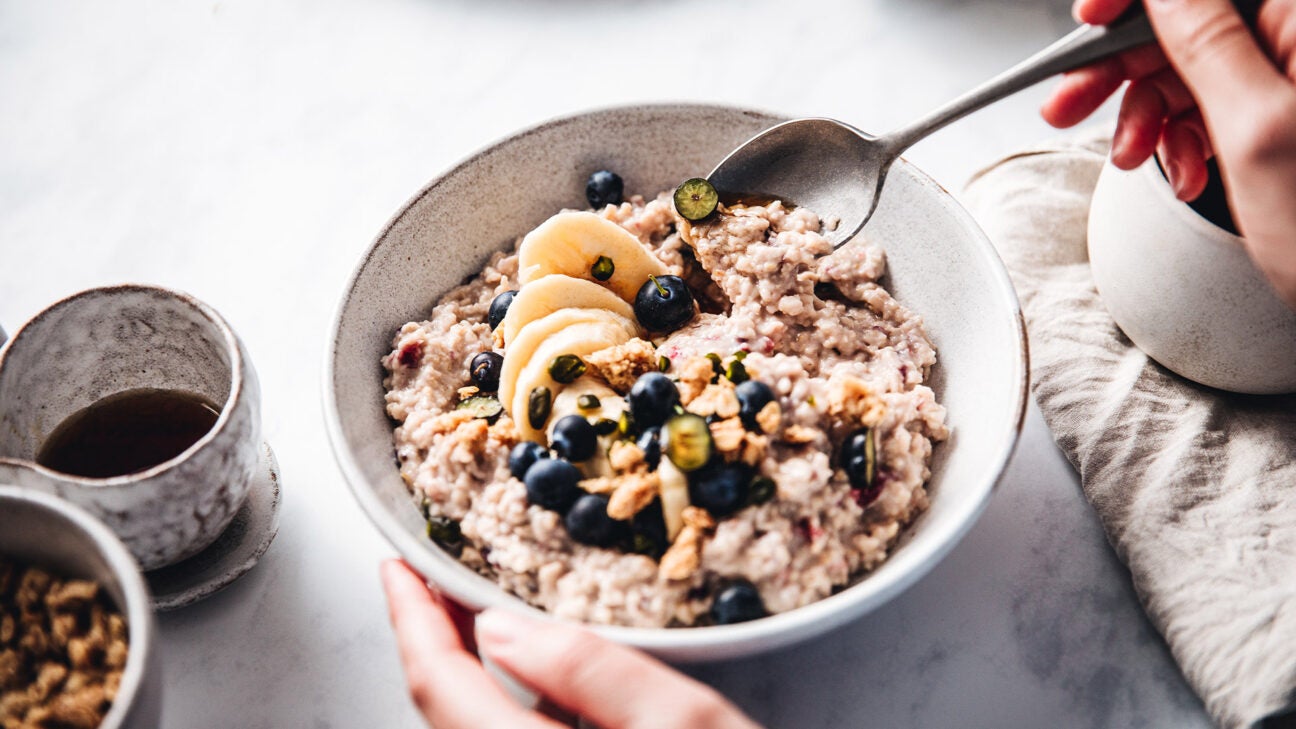
The importance of vitamins in maintaining optimal health cannot be overstated. These micronutrients are pivotal for numerous physiological functions, acting as catalysts in metabolic processes and serving as essential components in maintaining bodily systems. From bolstering the immune system to ensuring proper organ function, vitamins are indispensable in sustaining life and promoting well-being.
Vitamin A: Vision and Immune Support
Vitamin A is critical for maintaining healthy vision and supporting the immune system. It plays a key role in the formation of visual pigments in the retina, essential for both low-light and color vision. Additionally, vitamin A supports the production and function of white blood cells, which are vital for combating infections. Foods rich in vitamin A include carrots, sweet potatoes, and spinach.
Vitamin B Complex: Energy and Nervous System Health
The B vitamins, collectively known as the B complex, are crucial for energy production and the proper functioning of the nervous system. Each B vitamin serves a unique function; for instance, B1 (thiamine) is essential for glucose metabolism, while B12 (cobalamin) is vital for red blood cell formation and neurological function. Sources of B vitamins include whole grains, meat, eggs, and legumes.
Vitamin C: Antioxidant and Immune Function
Vitamin C, also known as ascorbic acid, is a powerful antioxidant that protects cells from damage by free radicals. It is also necessary for the synthesis of collagen, which is essential for skin, blood vessels, and connective tissues. Furthermore, vitamin C enhances the immune system by promoting the production and function of white blood cells. Citrus fruits, strawberries, and bell peppers are excellent sources of vitamin C.
Vitamin D: Bone Health and Beyond
Vitamin D is unique in that it can be synthesized by the body through exposure to sunlight. It is essential for calcium absorption, which is critical for maintaining healthy bones and teeth. A deficiency in vitamin D can lead to rickets in children and osteoporosis in adults. In addition to its role in bone health, vitamin D supports the immune system and has been linked to mood regulation. Fatty fish, fortified dairy products, and egg yolks are good dietary sources of vitamin D.
Vitamin E: Antioxidant Protection
Vitamin E is a fat-soluble antioxidant that helps protect cell membranes from oxidative damage. It is also important for immune function and skin health. Vitamin E can be found in nuts, seeds, and green leafy vegetables. Its antioxidant properties help to neutralize free radicals, thereby reducing the risk of chronic diseases such as heart disease and cancer.
Vitamin K: Blood Clotting and Bone Health
Vitamin K is essential for blood clotting and bone health. It activates proteins that play a role in blood coagulation, preventing excessive bleeding when injuries occur. Additionally, vitamin K works in synergy with vitamin D to regulate calcium, supporting bone mineralization and health. Leafy green vegetables, such as kale and spinach, are rich sources of vitamin K.
Preventing Vitamin Deficiency
Vitamin deficiencies can lead to a range of health issues, from minor ailments to severe diseases. For instance, a lack of vitamin C can result in scurvy, characterized by anemia, weakness, and gum disease. A deficiency in vitamin B12 can cause pernicious anemia and neurological problems. Ensuring a balanced diet that includes a variety of nutrient-rich foods is key to preventing deficiencies and maintaining overall health.
Supplementation and Diet
While it is best to obtain vitamins from a well-rounded diet, supplementation can be necessary in certain cases. Individuals with restricted diets, specific health conditions, or limited sun exposure may require vitamin supplements to meet their nutritional needs. It is important to consult with a healthcare provider before starting any supplementation to ensure it is appropriate and safe.
The Role of Multivitamins
Multivitamins can serve as a convenient way to ensure an adequate intake of essential vitamins, particularly for individuals with busy lifestyles. They can help fill nutritional gaps and provide a safety net for those who may not consistently consume a balanced diet. However, multivitamins should not replace whole foods, which offer a complex matrix of nutrients and other beneficial compounds.
Conclusion
The importance of vitamins in promoting health and preventing disease is profound. These essential nutrients support a multitude of bodily functions, from immune defense to bone strength and beyond. A diet rich in diverse, nutrient-dense foods is the best strategy for obtaining the vitamins necessary for optimal health. By prioritizing a balanced diet and considering supplementation when necessary, individuals can ensure they meet their vitamin needs and enjoy a healthier, more vibrant life.