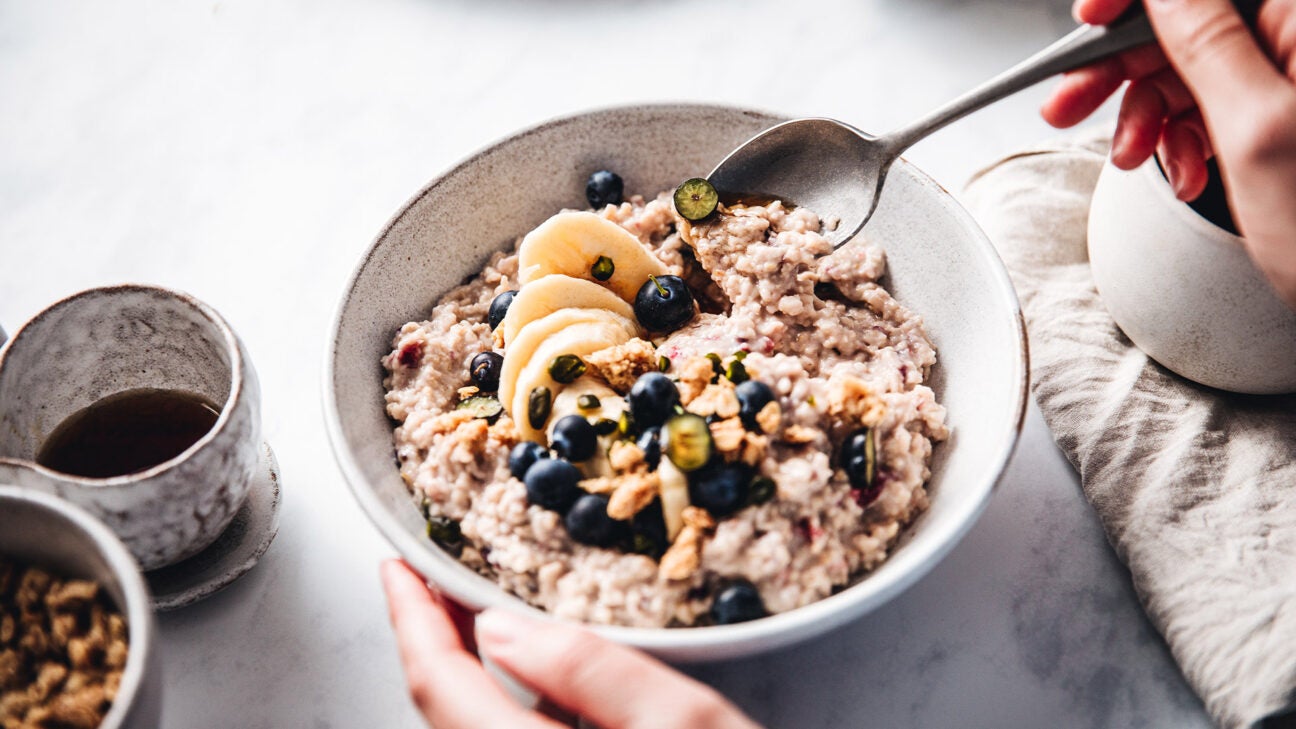
Achieving and maintaining a balanced diet is crucial for sustaining optimal health and well-being. A well-rounded dietary regimen ensures that your body receives the necessary nutrients it requires to function effectively. The path to dietary equilibrium involves incorporating a variety of food groups in appropriate proportions. Herein, we delve into the principles and practices that will guide you towards a harmoniously nourished lifestyle.
The Importance of Food Variety
Diversity in food selection is paramount. Consuming a wide range of foods guarantees that your body obtains an array of essential vitamins and minerals. Each food group offers unique nutritional benefits, and no single group can supply all the nutrients your body needs. Emphasizing variety not only enriches your diet but also enhances your overall gastronomic experience.
Incorporating Fruits and Vegetables
Fruits and vegetables should form the cornerstone of your diet. They are rich in vital nutrients such as vitamins A and C, potassium, and dietary fiber. Strive to include a rainbow of colors on your plate, as different colors typically indicate different types of nutrients. For instance, leafy greens like spinach are abundant in iron, while orange fruits like oranges and carrots are high in beta-carotene.
Choosing Whole Grains
Whole grains are an excellent source of complex carbohydrates, fiber, and essential micronutrients. Unlike refined grains, whole grains retain their nutrient-rich bran and germ. Examples of whole grains include brown rice, quinoa, oats, and whole wheat products. Integrating these into your diet can improve digestive health and provide sustained energy levels.
Protein: The Building Block
Protein is indispensable for the growth, repair, and maintenance of body tissues. It is crucial to incorporate a variety of protein sources to ensure a comprehensive intake of amino acids. Lean meats, poultry, fish, beans, legumes, nuts, and seeds are all excellent options. Additionally, plant-based proteins are increasingly recognized for their health benefits and sustainability.
Healthy Fats for a Healthy Life
Not all fats are detrimental to health. Unsaturated fats, found in avocados, olive oil, and fatty fish like salmon, are beneficial and should be included in a balanced diet. These fats can aid in reducing bad cholesterol levels and are essential for brain health. However, it is advisable to limit the intake of saturated and trans fats commonly found in processed foods.
The Role of Hydration
Proper hydration is often overlooked but is an integral part of maintaining a balanced diet. Water is essential for virtually every bodily function, including digestion, absorption, and transportation of nutrients. Aim to drink at least eight glasses of water daily. Hydrating foods such as cucumbers, watermelons, and oranges can also contribute to your daily fluid intake.
Mindful Eating Practices
Adopting mindful eating habits can significantly impact your dietary balance. Pay attention to portion sizes, eat slowly, and savor each bite. Avoid distractions such as watching TV while eating, as this can lead to overeating. Listening to your body’s hunger and fullness cues can help maintain a healthy weight and prevent overindulgence.
Limit Sugar and Salt Intake
Excessive consumption of sugar and salt can lead to health complications such as obesity, hypertension, and cardiovascular diseases. Opt for natural sweeteners like honey or fruits, and use herbs and spices to enhance the flavor of your meals instead of relying on salt. Reading food labels can help you make more informed choices and avoid hidden sugars and salts in processed foods.
Regular Physical Activity
Maintaining a balanced diet is not solely about what you eat but also about leading an active lifestyle. Regular physical activity complements a healthy diet and is essential for maintaining an optimal weight, reducing the risk of chronic diseases, and enhancing mental health. Aim for at least 150 minutes of moderate-intensity aerobic activity per week, combined with muscle-strengthening exercises.
Planning and Preparing Meals
Effective meal planning and preparation can help ensure that you stick to a balanced diet. Allocate time each week to plan your meals, make a shopping list, and prepare ingredients in advance. This can prevent last-minute unhealthy food choices and promote consistent, nutritious eating habits.
Consulting Nutrition Experts
If you are unsure about how to create and maintain a balanced diet, seeking advice from nutrition experts can be invaluable. Registered dietitians and nutritionists can provide personalized guidance based on your individual health needs and lifestyle. They can help you develop a sustainable eating plan that aligns with your health goals.
Conclusion
Maintaining a balanced diet is a multifaceted endeavor that requires commitment and mindfulness. By incorporating a variety of food groups, prioritizing nutrient-dense choices, staying hydrated, and engaging in regular physical activity, you can achieve and sustain optimal health. Remember, the journey to a balanced diet is a continuous process that evolves with your changing nutritional needs and lifestyle. Embrace the diversity of foods and relish the journey towards a healthier you.