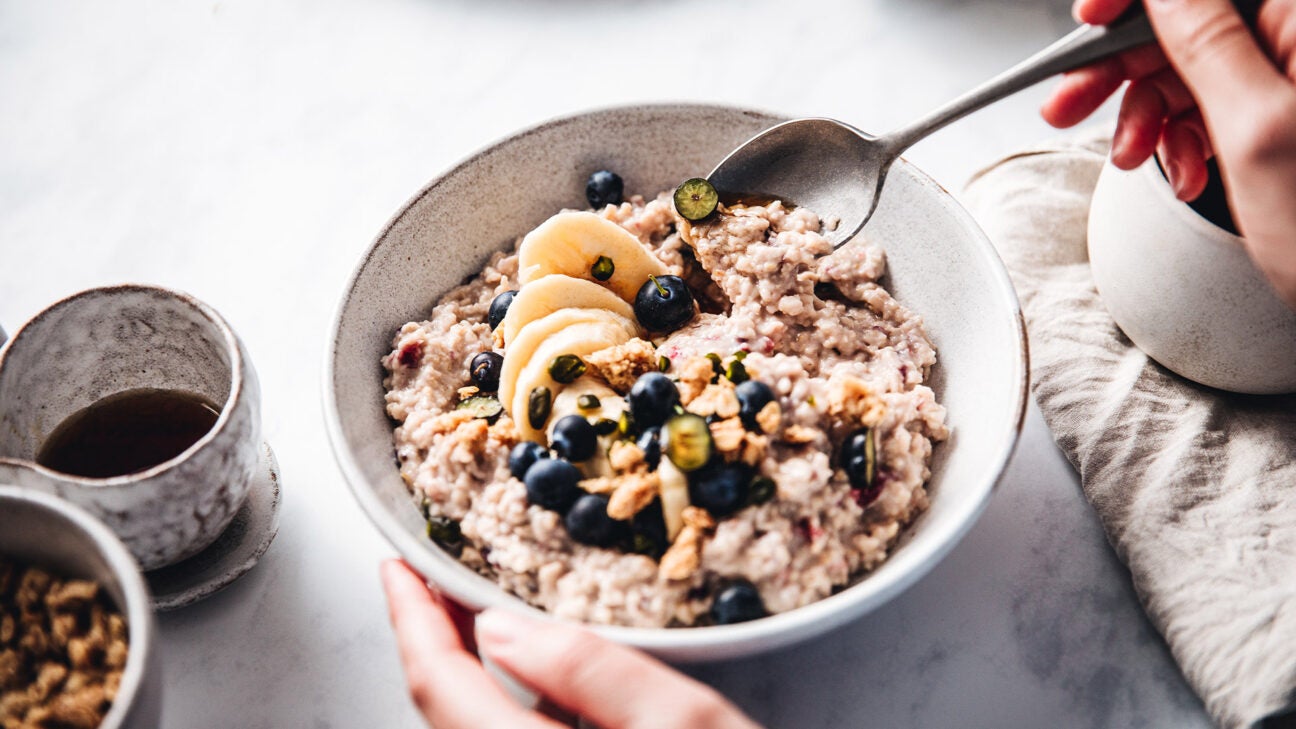
Embarking on a journey to lose weight can be challenging, but with the right nutritional tips, you can make informed choices that facilitate sustainable weight loss. These tips emphasize the importance of balanced eating, mindful habits, and consistency in achieving your health goals.
Prioritize Whole Foods
Whole foods, such as fruits, vegetables, whole grains, and lean proteins, are rich in essential nutrients that support overall health. These foods provide vitamins, minerals, and fiber that aid in satiety and help control appetite. By focusing on whole foods, you can naturally reduce your intake of processed items that are often high in calories, sugar, and unhealthy fats.
Maintain a Balanced Diet
A balanced diet is crucial for weight loss and general well-being. Include a variety of food groups in your meals to ensure you’re getting a range of nutrients. A well-rounded diet helps regulate metabolism and energy levels, making it easier to adhere to your weight loss plan. Aim for meals that contain a good mix of carbohydrates, proteins, and fats to keep your body functioning optimally.
Portion Control is Key
Understanding and controlling portion sizes can make a significant difference in your weight loss efforts. Overeating, even healthy foods, can impede progress. Use smaller plates and bowls, pay attention to serving sizes, and listen to your body’s hunger and fullness cues. This approach can prevent overconsumption and help you maintain a calorie deficit.
Stay Hydrated
Proper hydration is often overlooked but is essential for weight loss. Water aids in digestion, helps control appetite, and boosts metabolism. Drinking a glass of water before meals can help you feel fuller and reduce the likelihood of overeating. Aim to drink at least eight glasses of water daily, and limit sugary drinks that add unnecessary calories.
Incorporate Healthy Fats
Not all fats are detrimental. Healthy fats, such as those found in avocados, nuts, seeds, and olive oil, can support weight loss by providing satiety and essential nutrients. These fats help absorb fat-soluble vitamins and contribute to overall metabolic health. Including moderate amounts of healthy fats in your diet can help you feel satisfied and less likely to crave unhealthy snacks.
Fiber-Rich Foods
Foods high in fiber, such as legumes, whole grains, fruits, and vegetables, are beneficial for weight loss. Fiber adds bulk to your diet, promoting a feeling of fullness and reducing hunger. It also aids in digestion and helps regulate blood sugar levels. By incorporating more fiber-rich foods into your meals, you can manage your appetite more effectively.
Limit Added Sugars
Excessive consumption of added sugars is linked to weight gain and various health issues. Sugary beverages, snacks, and desserts can contribute to a higher calorie intake without providing essential nutrients. Reducing your intake of added sugars can help lower your overall calorie consumption and promote weight loss. Opt for natural sweeteners like fruits to satisfy your sweet tooth.
Plan Your Meals
Meal planning is a powerful tool for successful weight loss. By preparing meals in advance, you can ensure that you have healthy options readily available, which reduces the temptation to opt for unhealthy convenience foods. Planning also helps you control portions and make nutritious choices. Set aside time each week to plan and prepare your meals to stay on track with your weight loss goals.
Eat Mindfully
Mindful eating involves paying full attention to the experience of eating and savoring each bite. It helps you recognize hunger and fullness cues, reducing the likelihood of overeating. Avoid distractions such as television or smartphones during meals. By focusing on your food, you can enjoy your meals more and improve digestion, contributing to better weight management.
Include Protein in Every Meal
Protein is essential for weight loss as it promotes satiety, helps build and repair tissues, and supports metabolic health. Including a source of protein in every meal can help control appetite and reduce overall calorie intake. Good sources of protein include lean meats, fish, eggs, dairy products, legumes, and plant-based protein options like tofu and tempeh.
Avoid Liquid Calories
Liquid calories from sugary drinks, alcohol, and high-calorie beverages can add up quickly and hinder weight loss. These drinks often provide little to no nutritional value and can lead to increased calorie consumption. Instead, choose water, herbal teas, or other low-calorie beverages to stay hydrated without the extra calories.
Get Adequate Sleep
Quality sleep is crucial for weight loss and overall health. Lack of sleep can disrupt hormones that regulate hunger and appetite, leading to increased cravings and overeating. Aim for 7-9 hours of sleep per night to support your weight loss efforts. Establish a regular sleep routine and create a restful environment to improve sleep quality.
Stay Consistent and Patient
Consistency and patience are vital for achieving and maintaining weight loss. Understand that weight loss is a gradual process, and quick fixes or fad diets are often unsustainable. Focus on making long-term lifestyle changes, celebrate small victories, and stay committed to your goals. Consistent efforts will lead to lasting results and improved health.
Seek Professional Guidance
Consulting with a healthcare provider, nutritionist, or dietitian can provide personalized guidance tailored to your unique needs and goals. These professionals can help you develop a balanced eating plan, suggest appropriate exercises, and offer support throughout your weight loss journey. Professional guidance ensures that your approach to weight loss is safe, effective, and sustainable.
Build a Support System
Having a support system can significantly enhance your weight loss efforts. Surround yourself with family, friends, or support groups who encourage and motivate you. Sharing your goals and challenges with others can provide accountability and emotional support, making the journey towards healthy weight loss more enjoyable and less daunting.
Conclusion
Achieving weight loss requires a multifaceted approach that includes balanced nutrition, mindful eating practices, regular physical activity, and lifestyle modifications. By implementing these nutritional tips, you can make informed choices that support sustainable weight loss and enhance your overall well-being. Remember, the journey to a healthier you is a marathon, not a sprint. Stay committed, be patient, and celebrate each step towards your goal.